


You need a social media marketing strategy that actually works. Not random posts. Not copying competitors. A real plan that ties your business goals to what you publish. Here’s a step-by-step guide to build one from scratch.
Step 1: Define Clear and Measurable Goals

Start with what you want to achieve. Without goals, you’re guessing. Use the SMART framework: Specific, Measurable, Achievable, Relevant, Time-bound. For example, “increase Instagram engagement by 20% in three months” is SMART. “Get more followers” is not.
Think about the business outcome. Do you want brand awareness? Leads? Sales? Each goal changes how you measure success. According to Wikipedia’s SMART criteria, a clear goal helps you focus resources. Set 2-3 primary goals. Too many, and you spread thin.
Once you have goals, align them with your overall marketing plan. If your company wants to boost website traffic, your social goal might be to drive clicks. If you need leads, focus on conversions. A good paid social media advertising approach can also support these goals.
Goals also help you pick the right platforms. If your goal is brand awareness, visual platforms like Instagram work well. If it’s B2B leads, LinkedIn is better. We’ll get to that in Step 3.
Step 2: Research Your Target Audience Deeply
You can’t create content if you don’t know who you’re talking to. Audience research is the foundation of any social media marketing strategy. Start with data you already have, customer profiles, past engagement, and sales records.
Build personas. Give them names, jobs, interests, and pain points. For example, “Priya is a 32-year-old marketing manager in Mumbai who uses LinkedIn for industry news and Instagram for inspiration.” This helps you write posts that resonate.
Use platform analytics to find demographics. Facebook Insights, Instagram Analytics, and LinkedIn Analytics show age, location, and behavior. Also, listen to social conversations. Tools like Twitter search or Reddit can reveal what your audience talks about.
Don’t guess, verify. According to Pew Research Center’s data on social media use, different age groups prefer different platforms. For instance, TikTok dominates among 18-29-year-olds, while Facebook skews older. Use this to shape your strategy.
Create a simple table of your top 3 personas. For each, note: platform preference, content type they engage with, and a key pain point. This becomes your content cheat sheet. SocialBinge helps businesses refine audience targeting every day.
Step 3: Choose the Right Social Media Platforms
You don’t need to be on every platform. Pick the ones where your audience hangs out and your content performs best. A common mistake is spreading too thin.
List your personas. Match them to platforms. If you target professionals, LinkedIn is non-negotiable. For visual products, Instagram and Pinterest shine. For quick updates and customer service, X (formerly Twitter) works. For video, YouTube and TikTok lead.
Consider your resources. Each platform demands different content formats. Video takes more time than static images. If you’re a small team, start with 2-3 platforms. Master them before expanding.
Evaluate platform algorithms. Instagram favors Reels, LinkedIn rewards long-form posts, and TikTok’s feed is all about trends. Adapt your content to each platform’s strengths. According to Wikipedia’s overview of social media marketing, platform specificity is key to engagement.
This video explains how to choose platforms based on your goals. Watch it to see real examples.
Also, consider paid options. If organic reach is low, boosting posts or running ads can help. But focus on organic first until you find what resonates. Then allocate budget. A paid social media advertising strategy can amplify what works.
Step 4: Develop a Content Strategy That Engages
Content is what your audience sees. A content strategy decides what to post, when, and why. Start with the customer journey: awareness, consideration, decision. Create content for each stage.
Mix content types. on social media content types, effective strategies use a blend, educational posts, product demos, behind-the-scenes, user-generated content, and more. For example, an infographic works for awareness, a testimonial builds trust for decision.
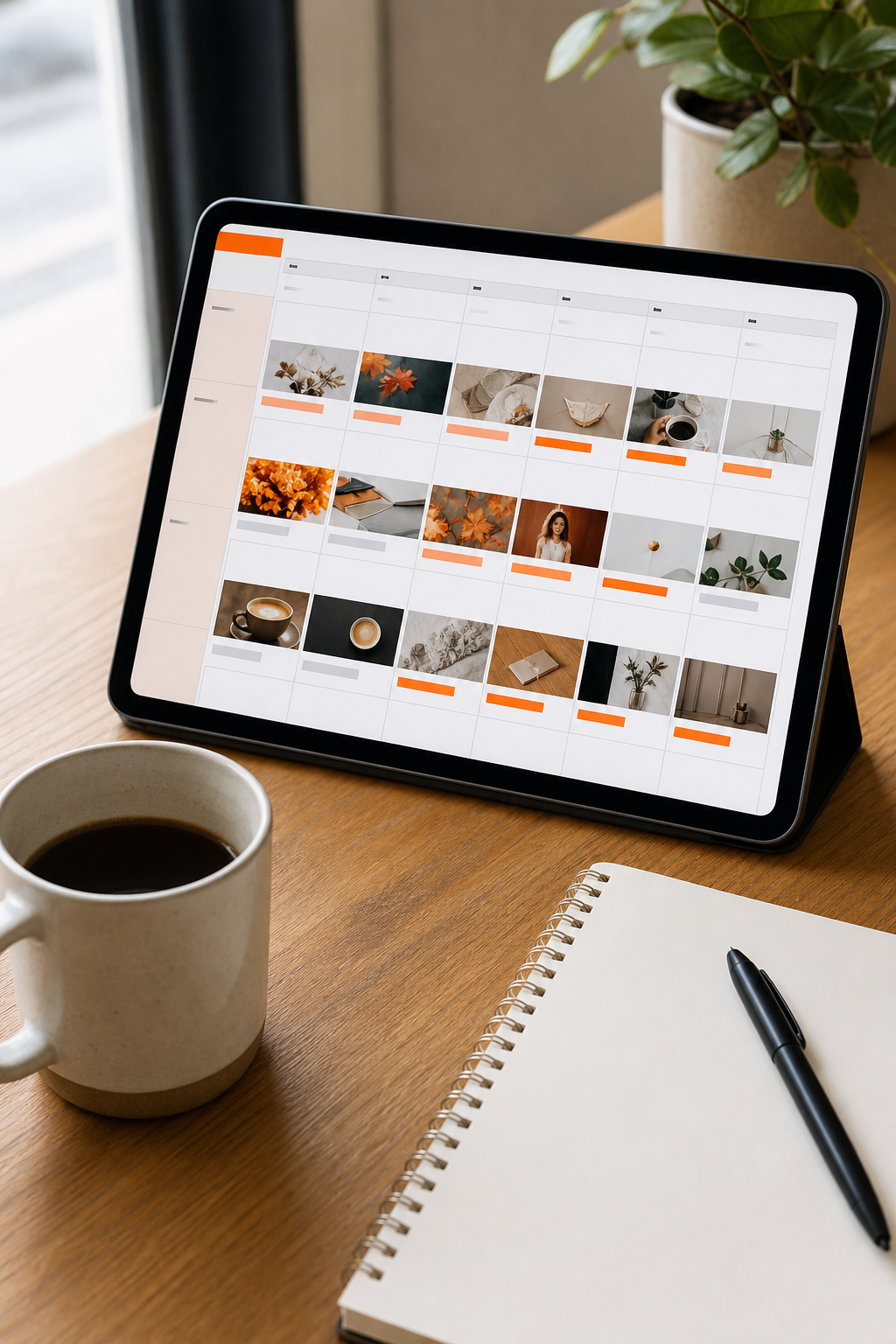
Create a content calendar. Plan posts 2-4 weeks ahead. Use tools like Google Sheets or Trello. Include post copy, visuals, and hashtags. Batch create content to save time. For instance, film all videos for the month in one day.
Follow the 80/20 rule: 80% of posts should educate or entertain, 20% can promote. This builds trust. Also, engage with comments and messages. Social media is a two-way street.
Measure what works. Track engagement rates, shares, and saves. Double down on formats that perform. SocialBinge‘s creative direction services help brands craft content that stands out.
“The best social media content feels like a friend sharing a tip, not an ad.”
Step 5: Measure, Analyze, and Optimize Performance
You can’t improve what you don’t measure. Set up tracking from day one. Use native analytics, Facebook Insights, Instagram Insights, LinkedIn Analytics, and third-party tools like Google Analytics.
Define your key performance indicators (KPIs). For awareness: reach, impressions, follower growth. For engagement: likes, comments, shares, saves. For conversions: clicks, leads, sales. Tie each KPI back to your SMART goals from Step 1.
Create a simple dashboard. Track monthly trends. Look for patterns. Is video getting more engagement than text? Are posts at certain times performing better? Optimize based on data, not gut feeling.
According to Wikipedia’s explanation of web analytics, measuring user behavior helps refine strategies. Apply this to social media: A/B test headlines, visuals, and posting times.
Set a monthly review process. Analyze what worked, what flopped, and why. Adjust your content calendar and platform priorities. Continuous improvement is what separates strategies that work from those that fade.
FAQ
How often should I post on social media?
Quality matters more than frequency. Start with 3-5 posts per week per platform. Increase if you see engagement. Consistency is key, it’s better to post 3 times a week regularly than 10 times one week and none the next.
How long does it take to see results from a social media strategy?
Most strategies take 3-6 months to show meaningful results. Early metrics like engagement may improve in weeks, but conversions and ROI often take longer. Be patient and keep testing.
Should I use the same content on all platforms?
No. Each platform has a unique audience and format. Repurpose core ideas, but adapt the content. For example, a long LinkedIn post can become a short video for TikTok. Tailor it to each platform’s style.
What’s the best way to grow followers organically?
Create valuable content consistently. Engage with your audience. Use relevant hashtags. Collaborate with influencers or complementary brands. Paid ads can accelerate growth, but organic takes time.
How do I know if my social media strategy is working?
Look at your KPIs. If your goals were brand awareness, check reach and impressions. For engagement, track likes, comments, and shares. For sales, monitor click-through rates and conversions. Compare month over month.
Do I need a separate strategy for each platform?
Yes and no. Have one overarching strategy for your brand. But customize the execution per platform. The core message stays the same, but the format and tone should fit where you’re posting.
Conclusion
Building a social media marketing strategy takes work. But when you follow these five steps, set goals, know your audience, pick platforms, plan content, and measure, you create a system that drives real results. Start with one step today. If you need help, SocialBinge’s team can guide you through the process. Take action now, and your social media will finally work for your business.