


Technical SEO can feel like a maze, especially for B2B companies with complex sites and many product pages. But getting it right means better visibility in search, more qualified leads, and faster page loads. Here’s a usable five-step plan to implement technical SEO for B2B companies.
Step 1: Conduct a Complete Technical SEO Audit
Start by finding out what’s wrong. A technical SEO audit checks crawlability, indexation, broken links, duplicate content, and more. Use tools like Screaming Frog or Google Search Console to get the data. According to Wikipedia, SEO is about improving a website to increase its visibility. For B2B sites, pay extra attention to pages that are behind login gates or have complex parameter handling.
Go through every technical element: check for noindex tags, low-quality thin pages, and orphaned pages. Fix critical issues first , like pages that are blocked from crawling. By now you should have a list of all major technical issues on your site. If you’d rather have an expert do it, SocialBinge provides detailed technical SEO audits that uncover hidden problems.
Step 2: Optimise Website Architecture and Crawlability
Your site structure tells Google what matters. B2B sites often have deep hierarchies , make sure important pages are no more than three clicks from the homepage. Use a flat architecture where possible. Create a clean sitemap and submit it via Google Search Console. Google’s crawl budget guide explains how to help Googlebot find your best pages faster.

For B2B companies, avoid using excessive filters or session IDs that create duplicate URLs. Use canonical tags to consolidate preferred versions. An agency like SocialBinge can help redesign your site architecture for better crawlability and user experience. By now you should have a clear, logical structure that search engines can easily handle.
Step 3: Enhance Site Speed and Core Web Vitals
Speed matters for both users and SEO. Google uses Core Web Vitals as a ranking signal. Focus on Largest Contentful Paint (LCP), First Input Delay (FID), and Cumulative Layout Shift (CLS). Google’s web.dev guide on Core Web Vitals provides specific targets and measurement tools. For B2B sites, heavy images and third-party scripts are common speed killers.
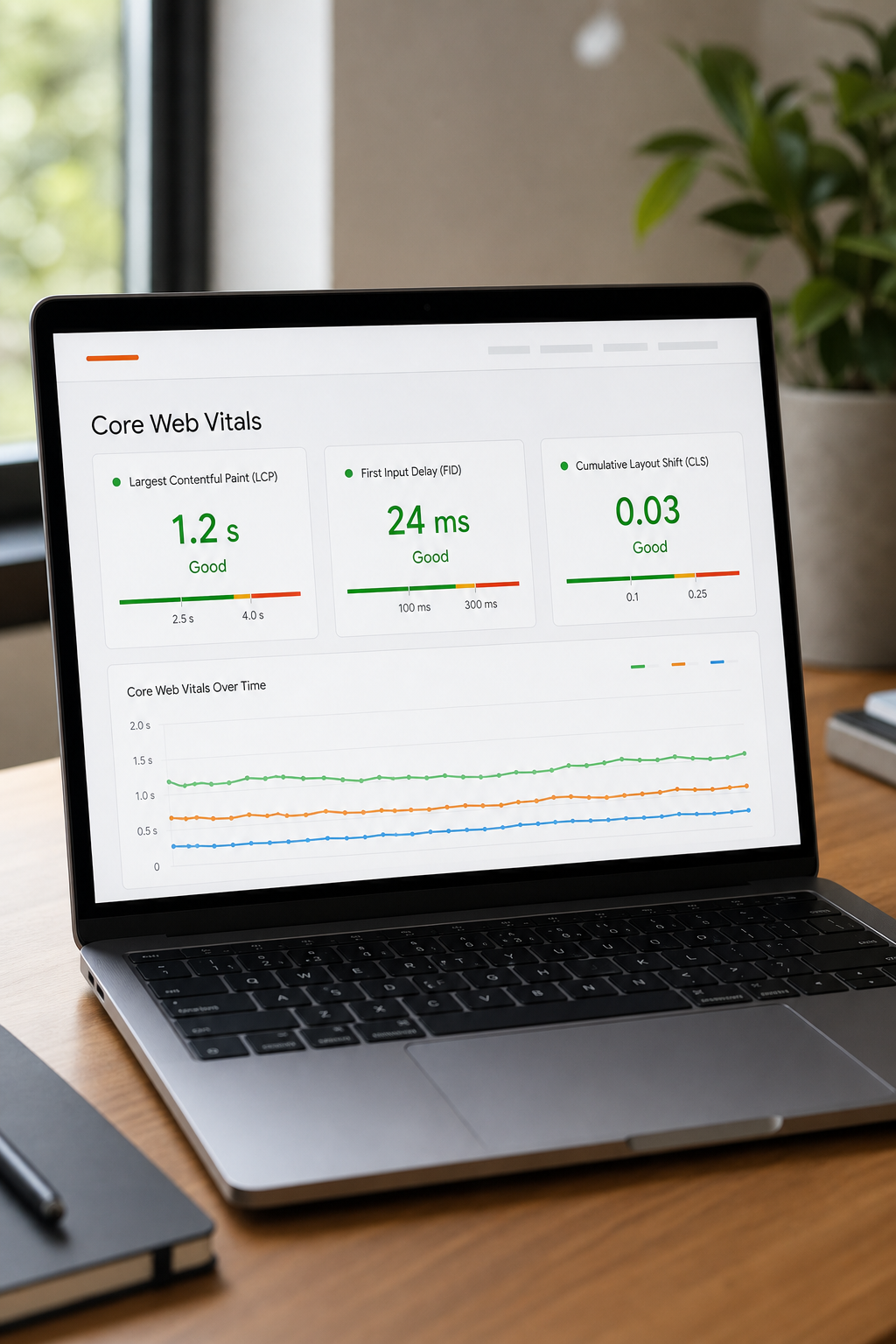
Compress images, use lazy loading, and minimize render-blocking resources. Consider using a CDN. Test your site with PageSpeed Insights regularly. A one-second delay can reduce conversions , and for B2B, that means lost leads. By now your site should load in under three seconds and pass all Core Web Vitals thresholds.
Step 4: Implement Structured Data for Rich Results
Structured data helps Google understand your content and display rich snippets in search results. For B2B companies, schema types like Product, FAQ, and Organization are useful. Google’s structured data documentation lists all supported schemas and how to test them. Mark up your product pages with schema, especially if you have multiple versions or pricing tiers.
Use JSON-LD format , it’s easier to maintain and less error-prone. Test with Google’s Rich Results Test. B2B sites that implement structured data often see higher click-through rates. By now you should have structured data on key pages, and no errors in the testing tool. SocialBinge can help identify which schema types will drive the most impact for your B2B business.
Step 5: Integrate Social Media Metadata for Better Visibility
Social signals aren’t a direct ranking factor, but the metadata you add helps control how your pages look when shared on LinkedIn, Twitter, and other platforms. Open Graph and Twitter Cards let you set the title, description, and image that appear in social posts. B2B buyers often research on LinkedIn , a clean snippet builds trust.
Add og:title, og:description, og:image, and twitter:card meta tags to your site’s head section. Use social media management tools to post consistently. SocialBinge specialises in social media marketing and can ensure your technical SEO efforts are complemented by a strong social presence. By now your pages should display correctly when shared on social platforms.
FAQ
What is technical SEO for B2B companies?
Technical SEO for B2B companies involves optimising the backend of a website to improve its visibility in search engines. It includes audits, site architecture, speed, structured data, and metadata , all tailored to the unique needs of B2B sites like complex navigation and gated content.
How long does it take to see results from technical SEO?
Most technical SEO changes can be implemented within a few weeks. However, seeing measurable improvements in rankings and traffic usually takes 1 to 3 months, depending on the size of the site and the severity of issues. Google needs time to recrawl and reindex pages.
Do I need a developer for technical SEO?
Many technical SEO fixes require access to the site’s backend and some coding knowledge. While basic audits can be done with tools, implementing changes like schema markup or site speed optimizations often needs a developer. Agencies like SocialBinge provide both the technical and strategic support.
What are the most important Core Web Vitals for B2B?
Largest Contentful Paint (LCP) under 2.5 seconds, First Input Delay (FID) under 100 milliseconds, and Cumulative Layout Shift (CLS) under 0.1 are the targets. For B2B sites with lots of content, LCP and CLS are often the hardest to fix.
How often should I run a technical SEO audit?
Run a complete technical SEO audit at least quarterly. If you make major changes to your site, like a redesign or adding many new pages, audit immediately. Regular monitoring with Google Search Console helps catch issues early.
Conclusion
Improving your B2B site’s technical SEO doesn’t have to be overwhelming. Start with a thorough audit, fix site architecture and speed, add structured data, and polish your social metadata. Pick one step each week and build momentum. If you need a partner who understands both B2B marketing and technical SEO, reach out to SocialBinge for a tailored strategy.